I have lots of questions
Hi friends! Welcome to the reboot of Next River’s newsletter. If you’re new to Next River, welcome! We are an institute for practicing the future, founded by Mia Birdsong. We explore and incubate the ideas, practices, and people needed to build the world of abundance we all deserve. You can learn about us and our work on our website.
We hope this letter can become a dispatch from our time travels. A space for inquisitive gestures: questions we care about, ideas we’re sitting with, work that excites us. But who really knows? It will become what it becomes.
Whatever it is, we hope you will find it worthwhile. 💜
In case you missed it...
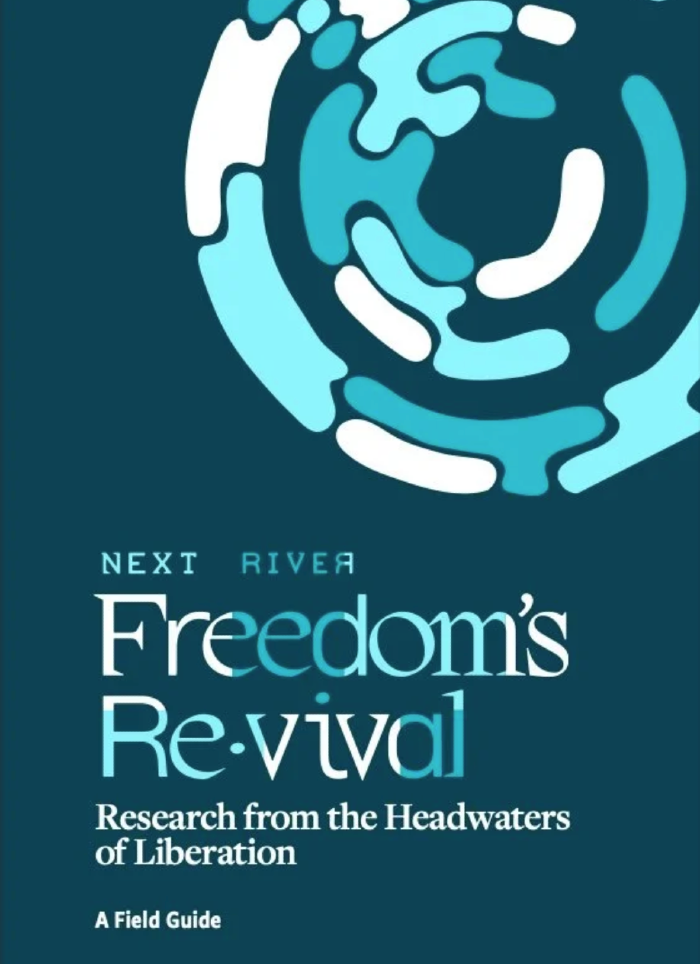
Freedom’s Revival: Research from the Headwaters of Liberation with the authors Mia Birdsong and Saneta deVuono-powell, led by author and activist Courtney E. Martin.
We’ll dig into the research, stories, and possibilities together.
Friday, December 8, 2023
9:00 - 10:30 AM PST | 12:00 - 1:30 PM EST**
Register here
A note from Mia Birdsong
“Danger of losing our humanity must be met with more humanity.” — Toni Morrison
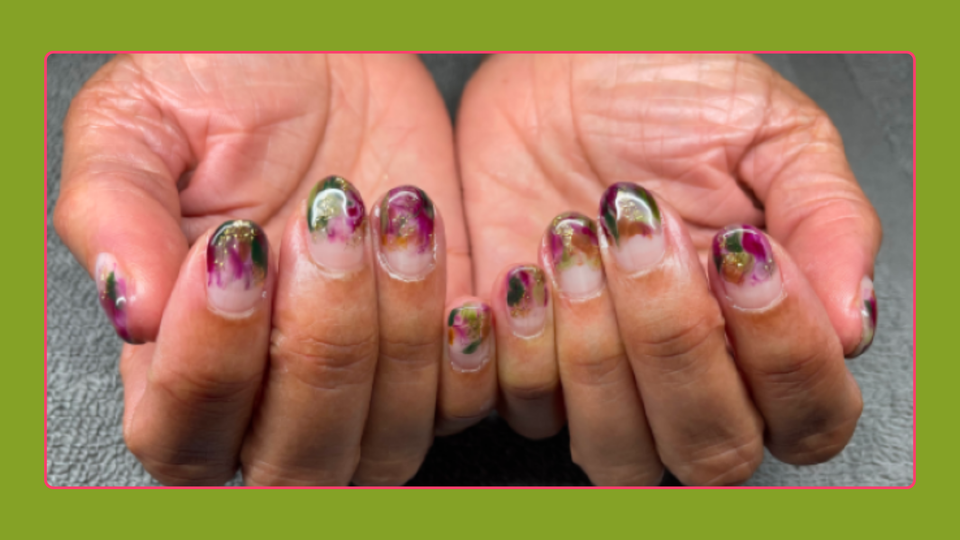
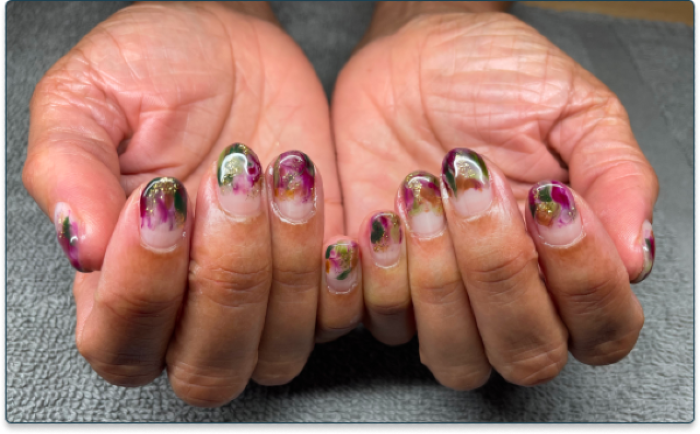
I have a standing appointment to get my nails done every few weeks. It’s a practice I started about a year and a half ago. There is frivolity in it, for sure, but there is also beauty, opportunity to pause, and a little magic. Taylor, who does my nails, is an artist who is getting her Masters in Family Therapy. She is also witchy like me. Our discussions wander in many directions—the classes she’s taking and practical practices of abolition, tarot cards, dream meanings, and the zodiac.
At each session, my nails become new wands. Together, we cast spells.
We’ve been talking, along with the rest of the world, of Gaza. Recently, Taylor asked me about the kinds of conversations I’ve been having with my people. For both of us, while most of our communities are aligned with our own perspectives, there are a few outliers—those we care for whose perspectives differ. We shared about the uncomfortable, but necessary, work of meeting those differences in context of our own grief and clarity.
It got me thinking about what it means, and feels like, to be in principled conversation and deep disagreement at the same time. Particularly with people we care for or regularly interact with. It made me wonder about the pressure to cull people from our lives who do not share our own ideological intricacies. I notice, in myself and others, the way feelings of outrage and grief fuel the desire to be right and an urgency to be accepted. How they tempt me toward allowing my heart to become rigid and my stance authoritarian.
It is, in fact, easy for me to feel compassion and hold the unquestionable humanity of a people who are being attacked by an oppressor. It’s more difficult to to do that with the people I encounter in my actual life who have a hard time doing the same. But my work, especially in my practice of solidarity, is to bring more people along, not fewer.
I have been asking myself…
- What does it feel like to be in conversation with people who disagree with me?
- Is it the fact of disagreement or its content that activates those feelings? Both?
- What responsibilities do I have to honor the humanity of those I oppose?
- What do I need to ground myself, so I can disagree in good faith?
- Where should I put my faith? In my argument or in my relationship? Both?
- How certain am I that the lines I draw to map my worldview are exactly, eternally, where they should be?
I have lots of questions. But one thing I am sure about for now, is that as much as it is important for me to be visible in my solidarity, it is as important—maybe more?—that I am doing the private, less applauded, long-term work of engaging with what and who makes me uncomfortable.
In community,
Mia
Poetry almost always helps. Check out “what if” by Claudia Rankine
If you are wanting to have some of the hard, uncomfortable but necessary conversations we need to have about harm, risk, and struggle, check out We Will Not Cancel Us by adrienne marie brown.
Member discussion