Survival is a solidarity skill
Hi friends, Take a breath.
As Prentis Hemphil reminds us, everything we think or say today will be served by taking one more breath. We are disregulated because we care. 😂😭
I know you are already reading and watching the ongoing news about the expanding violence the state is perpetrating. Whether it’s ICE kidnapping and disappearing people or the weaponization of food to leverage political power, we are experiencing an empire forsaking the people. And regimes that forsake the people will always fall.
Take a breath.
And look at what the people are doing. Beyond coming out in droves to vote for collectivist ideals, we are alerting our communities about ICE’s movements, we are giving SNAP recipients produce, and providing free meals to children. We are whistleblowing, organizing, spreading knowledge, and sharing resources.
Not only are we working to tend to the immediate crisis, but we are practicing the future we want to have. As a careless, corrupt, authoritarian state moves its forces into our cities and keeps our resources in its pockets, our commitment must go beyond resisting its attempts to assert power. We must create the cultures of care we need to survive now and thrive in the future.
Solidarity is a practice
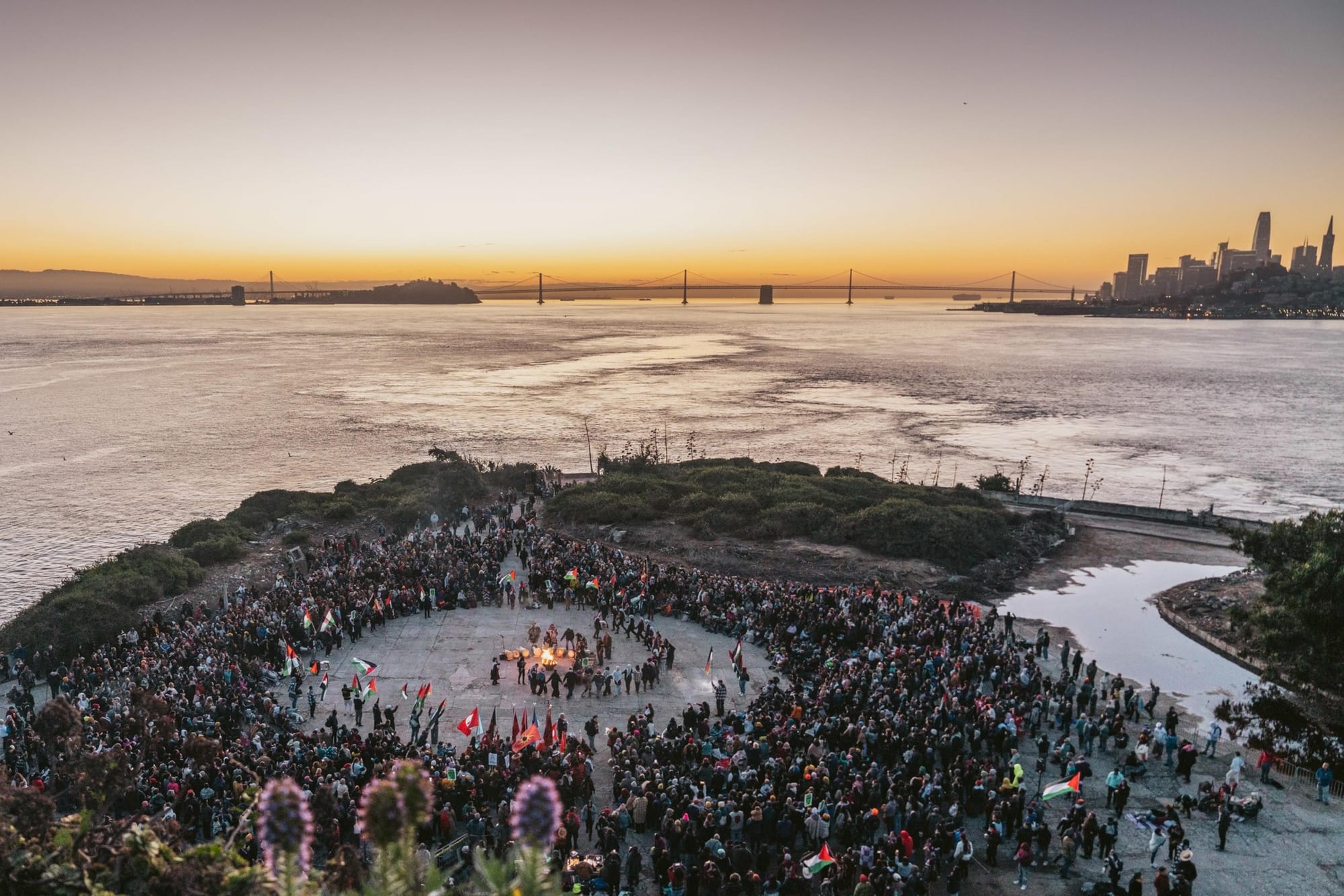
Every year, the Indigenous Peoples Thanksgiving Sunrise Gathering on Alcatraz Island celebrates the survival of native communities despite European colonization, and commemorates the occupation of Alcatraz Island by native activists in 1969. While this event is open to the wider public, we are raising funds to make sure a significant number of ferry tickets (required to reach the island) go to Indigenous folks. (In past years, tickets have been bought up by others, and Indigenous elders and children, who traveled from all over North America, had to scramble to get tickets.)
What we’ve been up to
Earlier this month, we released findings from the first phase of our freedom experiment, Finding Home. Finding Home is part of Next River’s Freedom’s Revival body of work, applying the principles of interconnected freedom to a collective homeownership pilot designed with and for a group of Black women and gender-expansive people.
Through this experiment we intend to:
- Support a group of Black women and gender-expansive folks in building liberatory spaces and places together by removing the barriers to homeownership.
- Learn from the expertise in freedom practices that Black women and gender expansive people have developed to survive living in America.
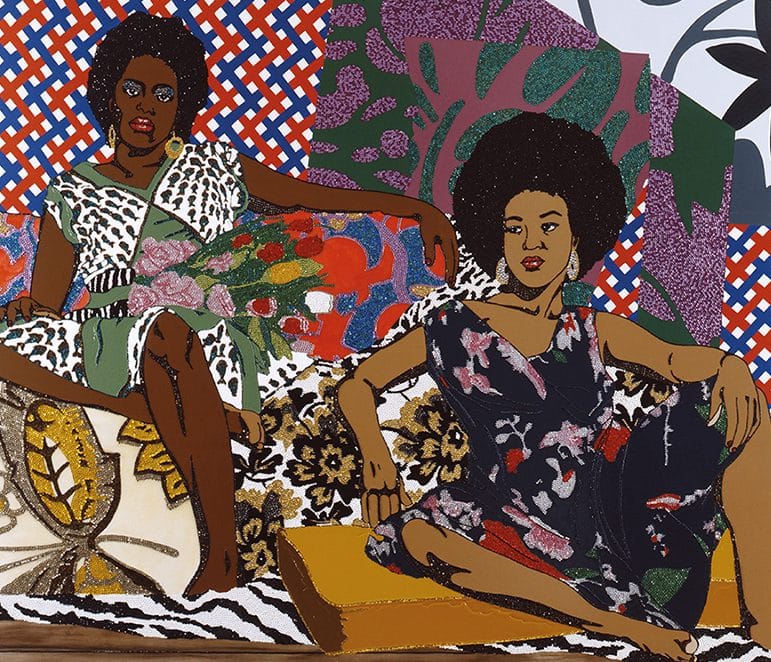
Throughout slave-holding societies, there were Black people who escaped slavery and joined together to create Maroon communities all across the Americas, including in Brazil, Jamaica, Mexico, Southern U.S., the Caribbean, Suriname, and more. Some of these communities existed for centuries or even persist today. The creation of these communities is called marronage.
Maroon communities experienced a freedom that was not predicated on a free society—it was created instead and despite the dominant order. Marronage is more than the act of escape; it is an act of worldbuilding. And time-travel. Maroons reached a degree of freedom centuries before society caught up.
Finding Home is an experiment in marronage. We intend to enable a group of Black women and/or gender-expansive people to practice marronage through the collective creation of home.
The initial research phase for Finding Home explored two lines of inquiry:
- What does collective homeownership make possible?
- What does centering the dreams, desires, and experiences of Black women and gender expansive people make possible?
The research shows that Black women and gender-expansive people are dreaming of what collective homeownership can provide:
- Access to stable housing
- Reducing the burden of homeownership
- Safety, security, and peace of mind
- Climate resiliency via community connectedness
- Opportunities to create spaces of communal care
- Aging with dignity and improved quality of life
Read the full report here.
This dream project needs two things to become real: money and partners. Next River will be fundraising to cover a down payment and closing costs for the pilot, ensuring a monthly payment that is sustainable for pilot participants. We are also seeking partners who have expertise in collective ownership, real estate, mediation, legal contracts, land stewardship, etc. to work with us and the pilot group.
If that sounds like you or someone you know, please respond to this email or contact us at findinghome@nextriver.org.
Current inspiration
This solidarity resource.
These words of wisdom.
This step toward repair.
This Black joy.
Member discussion